🗓 Released Mar 6, 2025
⌛260 days estimated until next model(560 of 820 days through last cycle)
💰
Deals Advice
neutralNo upcoming deals on the radar
No upcoming deals on the radar
| AIB Card | Boost Clock | Cooling | TDP | Best For |
|---|---|---|---|---|
| AMD Reference | 2950 MHz | Dual-fan | 304W | Compact builds, reference design |
| Sapphire Nitro+ | 2980 MHz | Triple-fan | 304W | Quiet operation, premium cooling |
| PowerColor Red Devil | 2990 MHz | Triple-fan | 304W | Maximum OC headroom |
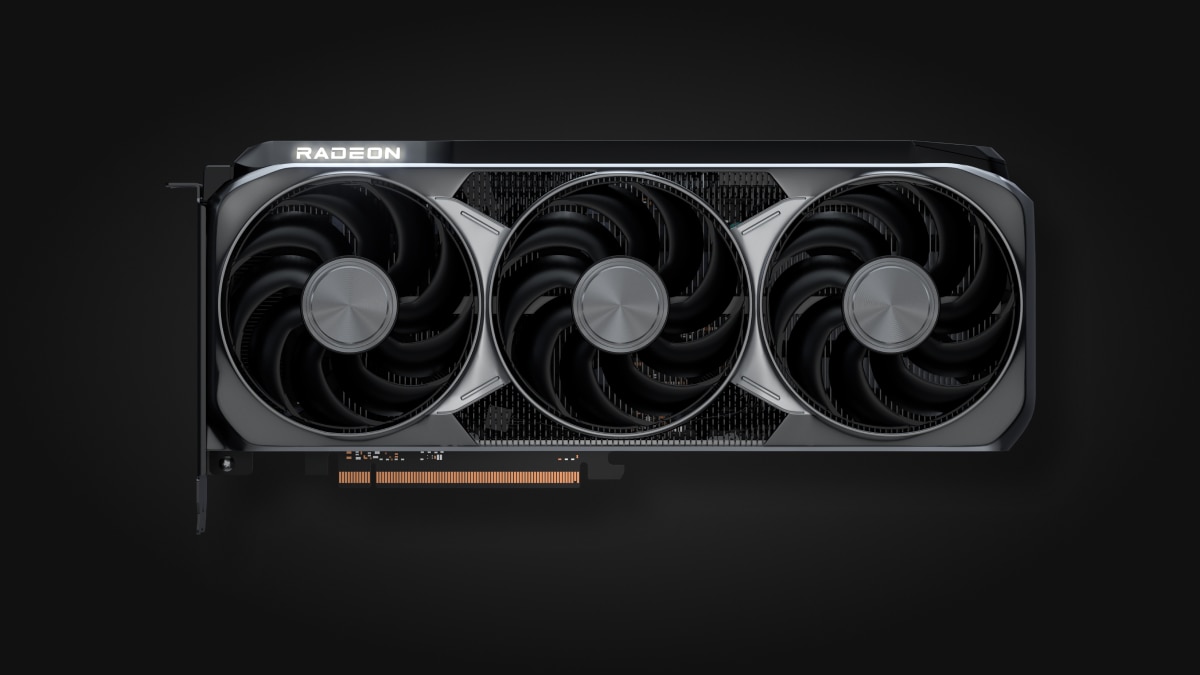
The AMD Radeon RX 9070 XT is RDNA 4's top card — 16GB GDDR6, FSR 4, and 304W TDP at $599. It competes directly with the RTX 5070, offering more VRAM (16GB vs 12GB) and competitive rasterization. For gamers who don't rely on NVIDIA's DLSS or CUDA ecosystem, it's a compelling alternative.
4GB more than the RTX 5070 at the same price. Future-proofs for 1440p ultra and 4K textures.
AMD's first machine-learning upscaler, narrowing the gap with DLSS 4.
AMD's open-source driver stack and FSR's open standard avoid proprietary ecosystem dependencies.
1440p and 4K gamers who want 16GB VRAM, competitive rasterization, and don't need NVIDIA-specific features like DLSS or CUDA.
The RTX 5070 has DLSS 4, better ray tracing, and CUDA. The 9070 XT has 16GB VRAM (vs 12GB), competitive rasterization, and no ecosystem lock-in. For gamers who prioritize VRAM and don't use CUDA, the 9070 XT wins. For ray tracing and AI features, the 5070 is better.
FSR 4 introduces ML upscaling for the first time, significantly closing the gap. DLSS 4's multi-frame generation remains exclusive to NVIDIA. In image quality terms, FSR 4 is competitive but DLSS 4 still leads in motion clarity.
RDNA 3 (RX 7000) had a rocky driver launch but matured well. RDNA 4 drivers are built on the same mature base. AMD's open-source Linux drivers are industry-leading.
AMD has positioned the RX 9070 XT as its top RDNA 4 consumer card. Higher-tier models may not be planned. If you need more GPU power, consider the RTX 5080.
The 9070 XT replaces the 7900 XTX's price tier. Performance is comparable in rasterization with better power efficiency. The 7900 XTX retains a VRAM advantage (24GB). Upgrade if you want RDNA 4's efficiency and FSR 4.